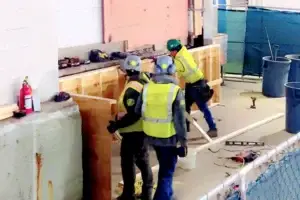
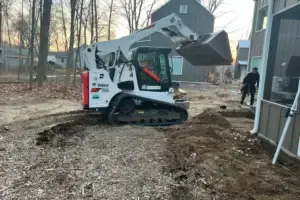
At C Corona Construction, trenching and excavation are a core part of the work we perform throughout Chicagoland. From municipal infrastructure improvements to commercial site development projects, our crews regularly encounter varying soil conditions, congested utility corridors, and complex excavation environments. These experiences reinforce a simple reality: trench safety is not just about regulatory compliance; it is about protecting workers, maintaining productivity, and ensuring projects are completed safely and efficiently.
Understanding the risks associated with trenching and the steps required to mitigate them can help property owners, developers, municipalities, and project managers make informed decisions before excavation begins.
Common Trench Safety Risks on Construction Projects
Every excavation project presents different challenges depending on site conditions, utility conflicts, soil characteristics, and environmental factors.
Cave-Ins
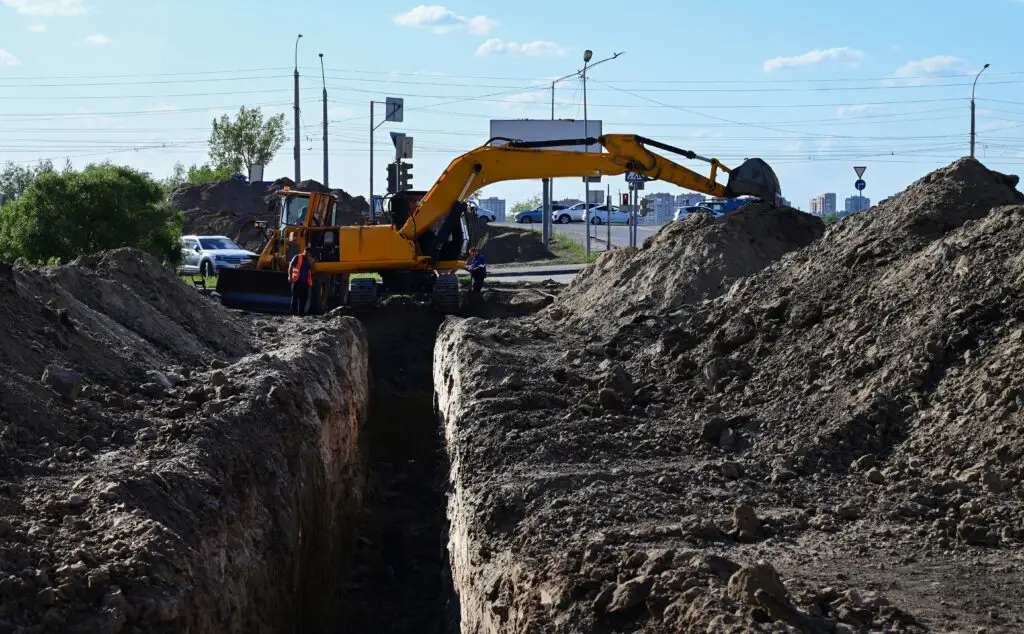
Trench collapses remain one of the leading causes of serious injuries and fatalities in the construction industry. A single cubic yard of soil can weigh more than 2,000 pounds, making even a relatively small collapse extremely dangerous.
At C Corona Construction, trench protection systems are evaluated during project planning to help ensure excavations are properly supported based on depth, soil classification, and site-specific conditions.
Utility Strikes
Many projects throughout Chicago and the surrounding suburbs involve working around existing underground infrastructure. Gas lines, water mains, sanitary sewers, storm sewers, electrical conduits, and telecommunications systems often share limited underground space.
Proper utility coordination and locating services are critical components of every excavation project. Identifying utilities before digging helps reduce risk, avoid service disruptions, and prevent costly project delays.
Water Accumulation and Soil Instability
Northern Illinois weather can significantly impact excavation safety. Heavy rainfall, groundwater infiltration, and seasonal freeze-thaw cycles can alter soil conditions rapidly.
Because many Chicagoland projects experience changing site conditions, ongoing trench inspections are essential throughout construction.
Why Trench Safety Problems Occur
Many excavation incidents can be traced back to inadequate planning or failure to recognize changing site conditions.
Insufficient Pre-Construction Planning
Successful excavation projects begin long before equipment arrives on-site. Site investigations, utility coordination, soil evaluation, and safety planning all play critical roles in reducing risk.
At C Corona Construction, pre-construction planning is integrated into every excavation and underground utility project. Identifying potential challenges early helps improve both safety and project efficiency.
Improper Protective Systems
Not every trench requires the same protection method. Factors such as depth, soil type, groundwater conditions, and adjacent structures all influence the appropriate safety solution.
Common trench protection methods include:
- Trench shoring
- Trench boxes
- Sloping
- Benching
Selecting the proper system is essential for maintaining a safe work environment.
Failure to Adapt to Changing Conditions
Construction sites are constantly evolving. Rain events, nearby traffic, equipment vibration, and utility discoveries can alter excavation conditions from one day to the next.
This is why daily inspections remain one of the most effective trench safety practices available.
Trench Safety Best Practices
While every project is unique, several best practices consistently improve excavation safety outcomes.
Conduct Utility Locates Before Excavation
Underground utility verification should be completed before excavation activities begin. This process helps protect workers while reducing the likelihood of costly infrastructure damage.
Perform Daily Trench Inspections
A competent person should inspect trenches before work begins and after any event that could affect stability.
At C Corona Construction, safety inspections are an important part of our daily operations and help ensure excavation work proceeds safely as site conditions evolve.
Use Appropriate Protective Systems
Protective systems should be selected based on actual site conditions rather than convenience or schedule pressures.
Proper trench protection helps safeguard workers while supporting efficient project execution.
Maintain Safe Access and Egress
Workers should always have safe methods for entering and exiting excavations. Ladders, ramps, and other approved access systems reduce fall hazards and improve emergency preparedness.
Long-Term Benefits of Proper Trench Safety Planning
Investing in trench safety provides benefits that extend beyond regulatory compliance. Projects that prioritize excavation safety often experience:
- Fewer workplace incidents
- Reduced project delays
- Lower liability exposure
- Improved productivity
- Better project outcomes
For municipalities, developers, and commercial property owners throughout Cook County, DuPage County, Lake County, and the greater Chicagoland region, these benefits can significantly impact project success.
Years of excavation and underground utility work have shown that proactive safety planning consistently delivers better results than reactive problem-solving after construction begins.
Conclusion
Trench safety plays a critical role in the success of excavation, underground utility, and site development projects. Understanding common hazards, identifying risks early, and implementing appropriate protective measures can help prevent accidents while keeping projects on schedule.
At C Corona Construction, safety is integrated into every phase of the excavation process from planning and utility coordination to trench protection and daily site inspections. Our experience working on commercial, municipal, and infrastructure projects throughout Chicagoland has demonstrated that proper trench safety planning is one of the most effective ways to protect workers and improve project outcomes.
Planning an excavation, utility installation, or site development project in the Chicagoland area? Contact C Corona Construction to learn how our experienced team can help support your project with safe, efficient, and reliable excavation services.